
How to verify land ownership in South Africa?
When it comes to real estate, the stakes are incredibly high. Whether you are a first-time homebuyer in the suburbs of Pretoria or a commercial developer looking at a large plot in Tshwane, knowing how to verify land ownership in South Africa is the single most important step in your due diligence process.
In South Africa, land ownership is not just about who holds the keys; it is about what is recorded in the national property registry. Failing to verify ownership can lead to catastrophic financial loss, ranging from falling victim to “title deed fraud” to discovering that the person selling you the land has no legal right to do so.
1. The Deeds Office: Your First Port of Call
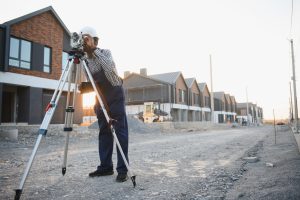
The primary authority for property ownership in South Africa is the Deeds Office (managed by the Department of Agriculture, Land Reform and Rural Development). Every legal transfer of land is recorded here, creating a permanent public record.
How to Conduct a Deeds Search
To verify who owns a property, you can perform a “Deeds Office Search.” You will need the property’s legal description specifically the Erf number and the Township name (street addresses are often not enough for official searches).
-
DeedsWEB: This is the official online portal where the public can access property information for a small fee.
-
What the Report Tells You: A standard search result will provide the registered owner’s full name, identity number (or company registration number), the date they purchased the property, and the purchase price.
-
Identifying Red Flags: If the name on the report does not match the person you are dealing with, or if the property is registered to a deceased estate, you must halt the transaction until legal clarity is provided by a conveyancer.
2. The Title Deed: The Gold Standard of Proof
The Title Deed (or Deed of Transfer) is the formal legal document that proves ownership. While a Deeds Office printout is a great quick check, the Title Deed contains the “fine print” of ownership.
When you review a Title Deed, look for:
-
Endorsements: These indicate if there is a mortgage bond registered against the property (meaning the bank has a claim) or if there are legal “interdicts” preventing the sale.
-
Restrictive Conditions: Some deeds contain clauses that limit how you can use the land, such as prohibition on certain types of businesses or building height restrictions.
-
Servitudes: These are rights granted to others, such as a municipality’s right to run a water pipe through your backyard.
3. Why You Need a Land Surveyor for Physical Verification
One of the most common mistakes buyers make is assuming that the physical fences match the legal boundaries. You may verify that “Person A” owns the land, but you also need to verify exactly what land they own. This is where property surveying becomes essential.
The Surveyor General (SG) Diagram
Every property in South Africa has an SG Diagram approved by the Surveyor General. This diagram shows the precise dimensions and coordinates of the land.
-
Beacon Relocation: Professional land surveyors, like the team at The Land Surveyor, use high-precision GPS to find the original iron pegs (beacons) that mark the property corners.
-
Encroachment Checks: A surveyor will verify if the neighbor’s wall is on your land or if the house you are buying was built over a building line. Without this check, you could inherit a legal nightmare. For more details on this, explore our services on Land Boundary Surveys in Tshwane.
4. Working with a Professional Network
Verifying land ownership is a team effort. To ensure a smooth process, you should interact with several key professionals:
-
Conveyancing Attorneys: Specialist lawyers like Ramatsitsi Attorneys are responsible for the actual legal transfer of the deed. They will verify that all municipal rates are paid and that the seller is legally authorized to sign the contract.
-
Town Planners: If you are buying land for development, firms like Urban Arrow can verify the zoning rights to ensure the land can legally support your intended project.
-
Personal Well-being: High-stakes property deals can be stressful. While we handle your land, ensure your family’s health is managed by local experts such as iMed Centre and The Family Dentist.
5. Summary Checklist for Buyers
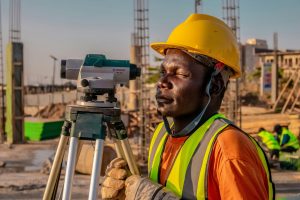
To protect yourself, follow these steps before signing an Offer to Purchase (OTP):
-
Request a Copy of the Title Deed: Do not rely on verbal promises.
-
Verify via Deeds Office: Run an independent search to confirm the seller’s identity.
-
Confirm the Boundaries: Hire a registered Land Surveyor to find the beacons and check for encroachments.
-
Check Municipal Compliance: Ensure there are approved building plans for all structures on the property. You can find more information on this process in our guide on What is a Cadastral Survey?.
Conclusion: Secure Your Peace of Mind

Understanding how to verify land ownership in South Africa is about more than just checking a name; it is about verifying the legal, financial, and physical status of the property. By combining a Deeds Office search with a professional land survey, you eliminate the risks associated with property fraud and boundary disputes.
Need help verifying your property boundaries in Pretoria? Contact The Land Surveyor today. Our registered professionals provide the technical certainty you need to build and invest with confidence.