How to Check Who Owns a House in South Africa?
Whether you are buying property, resolving a dispute, conducting due diligence, or simply researching a property, understanding how to check who owns a house in South Africa is extremely important. Property ownership verification helps prevent fraud, legal disputes, and costly mistakes while ensuring transparency during any property transaction.
In South Africa, property ownership information is officially recorded through the Deeds Office, making it possible to verify ownership legally and accurately. Working with professionals such as conveyancers and land surveyors can also simplify the process and ensure all property details are correctly interpreted.
If you are dealing with property boundaries, transfers, or legal land information, working with professionals like The Land Surveyor can help ensure accuracy and peace of mind.
Why Property Ownership Verification Matters
Checking who owns a property is not just something buyers should do. It is useful for:
- Property buyers conducting due diligence
- Estate agents verifying ownership details
- Family members handling deceased estates
- Legal professionals resolving disputes
- Investors researching opportunities
- Developers planning construction projects
Ownership verification helps confirm that the seller has legal rights to sell the property and ensures there are no hidden ownership complications.
According to South African property regulations, ownership details are formally registered through the Deeds Office system.
Methods to Check Property Ownership in South Africa
1. Conduct a Deeds Office Search
The most reliable way to check property ownership in South Africa is through the Deeds Office. The Deeds Registry maintains official records of all registered properties and ownership transfers.
You can search using:
- Property address
- Erf number
- Title deed number
- Owner’s name
The Deeds Office will provide details such as:
- Current registered owner
- Purchase history
- Bond information
- Property description
- Transfer dates
This process is often called a title deed search South Africa.
2. Request a Copy of the Title Deed
A title deed is the legal document proving ownership of a property. It contains critical information including:
- Owner details
- Property size
- Legal description
- Servitudes or restrictions
- Registration information
Obtaining a title deed copy can help confirm who legally owns the house.
For anyone involved in a property transaction, understanding the legal transfer process is equally important. You can learn more from this detailed guide on Property Transfer in South Africa.
3. Work with a Conveyancer
A conveyancer is a property attorney responsible for handling legal property transfers. Conveyancers have direct access to Deeds Office records and can verify ownership accurately.
They can also help identify:
- Outstanding bonds
- Property disputes
- Transfer restrictions
- Pending legal issues
Because property law can be complex, professional assistance is often recommended when dealing with high-value transactions.
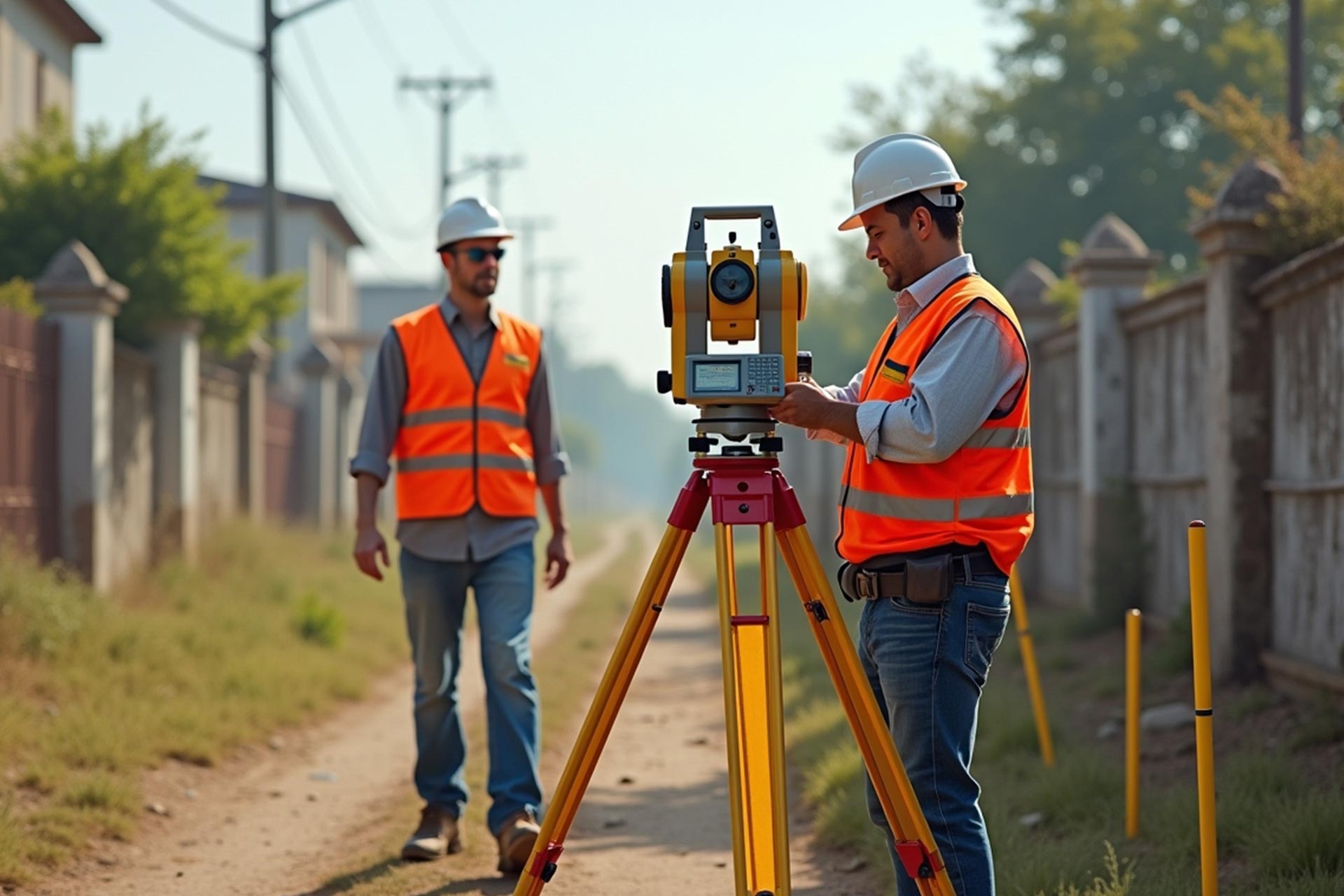
4. Consult a Professional Land Surveyor
A professional land surveyor plays a crucial role in confirming that the physical property matches the legal records. This becomes especially important when:
- Boundaries are unclear
- Beacons are missing
- There are encroachment disputes
- Subdivision is involved
- You are purchasing undeveloped land
Land surveyors conduct cadastral surveys to confirm property dimensions and legal boundaries. According to The Land Surveyor’s property ownership transfer guide, accurate surveys help prevent future disputes and ensure legal certainty during ownership transfers.
What Information Do You Need?
To perform a property owner search South Africa, you usually need one or more of the following:
- Physical property address
- Erf number
- Sectional title unit number
- Owner’s full name
- Township name
Having accurate property details will speed up the search process and reduce errors.
Common Reasons People Check Property Ownership
Buying a Property
Before signing an Offer to Purchase, buyers should always verify ownership to ensure the seller is legally entitled to sell the property.
If you are preparing to purchase property, this guide on Buying a Home in South Africa provides useful insights into the legal and financial process.
Boundary Disputes
Neighbour disputes often arise due to unclear property boundaries. A cadastral survey can verify legal boundaries and ownership records.
Property Development
Developers and construction companies frequently conduct ownership verification before starting projects to avoid legal complications.
Deceased Estates
Family members handling estates may need to verify property ownership before inheritance transfers can take place.
How Long Does It Take?
A standard Deeds Office search can often be completed within a short period, depending on the complexity of the request and the availability of records. Working with experienced professionals can significantly speed up the process.
For complex property matters involving subdivisions, consolidations, or missing beacons, additional surveying work may be required.
The Role of Land Surveyors in Property Verification
Many people underestimate the importance of land surveyors in property ownership verification. Land surveyors ensure:
- The property physically exists where legal records indicate
- Boundaries align with registered diagrams
- Survey diagrams match title deeds
- Legal compliance is maintained
Professional surveying services can protect buyers and owners from future legal disputes and construction complications.
The team at The Land Surveyor Contact Page can assist with cadastral surveys, property verification, and professional land surveying services.
Final Thoughts
Understanding how to check who owns a house in South Africa is essential for buyers, investors, developers, and property owners alike. By conducting a proper Deeds Office search, reviewing title deeds, and consulting qualified professionals, you can ensure that all property information is accurate and legally compliant.
Whether you are purchasing property, resolving a dispute, or planning a development project, working with experienced land surveyors and conveyancers can save you time, money, and legal complications in the future.
Conclusion
Property ownership verification is one of the most important steps in any property-related process. Accurate records, legal compliance, and verified boundaries help protect your investment and provide peace of mind.
If you need professional assistance with property verification, cadastral surveys, or land surveying services, the experts at The Land Surveyor are ready to help.
Call To Action
Book a Professional Property Survey Today