How to Check Who Owns a House in South Africa
Whether you’re planning to buy a property, settle an estate, resolve a boundary dispute, or simply conduct due diligence, knowing how to check who owns a house in South Africa is essential. Property ownership verification can help prevent fraud, ensure legal compliance, and provide valuable information before making important property decisions.
South Africa has a structured property registration system that records ownership through the Deeds Registry. This allows individuals, property professionals, developers, and investors to legally verify ownership information when necessary.
If you need assistance with property ownership verification, cadastral surveys, or boundary identification, The Land Surveyor offers professional services to help ensure that all property information is accurate and legally compliant.
Why It’s Important to Verify Property Ownership
Before entering into any property-related transaction, it is important to confirm that the person claiming ownership is the registered owner of the property.
Ownership verification can help:
- Prevent property fraud
- Confirm legal ownership
- Support property purchases
- Resolve ownership disputes
- Assist with inheritance matters
- Facilitate property transfers
- Support property development applications
Conducting a property ownership search is one of the most important steps in property due diligence.
The Most Reliable Method: A Deeds Office Search
The best way to check who owns a house in South Africa is through a Deeds Office property search.
The Deeds Registry maintains official records of:
- Property ownership
- Property transfers
- Mortgage bonds
- Servitudes
- Title deeds
- Property descriptions
These records provide the most accurate and legally recognized information regarding property ownership.
A Deeds Office search can reveal:
- The current registered owner
- Property registration details
- Historical ownership records
- Property size and description
- Bond information
Because these records are official, they are widely used by conveyancers, estate agents, attorneys, and property professionals.
What Information Is Required for a Property Search?
To conduct a property ownership search, you may need:
- The property’s physical address
- Erf number
- Township name
- Title deed number
- Registered owner’s name
The more information you have, the easier it will be to locate the correct property records.
Understanding the Title Deed
A title deed is the legal document that proves ownership of a property.
A title deed contains important information including:
- Owner details
- Property description
- Property size
- Registration information
- Ownership conditions
- Servitudes and restrictions
Reviewing a title deed is one of the most effective ways to confirm ownership and understand any legal limitations attached to the property.
If you are involved in a transfer transaction, you may find this guide useful:
This resource explains how ownership is legally transferred and registered in South Africa.
Can Property Ownership Information Be Accessed Online?
Some property information services provide online access to ownership records and title deed information. However, official Deeds Registry records remain the most reliable source of ownership verification.
For legal transactions and formal due diligence, property professionals generally rely on official records obtained through the Deeds Office or qualified conveyancers.
Using trusted sources helps ensure the information is accurate and up to date.
The Role of Conveyancers in Ownership Verification
Conveyancers are property attorneys who specialize in property transfers and registration.
A conveyancer can:
- Verify ownership records
- Conduct title deed searches
- Confirm transfer history
- Identify restrictions on ownership
- Assist with property transactions
Because conveyancers work directly with Deeds Office records, they play a critical role in confirming ownership information during property transactions.
Why Land Surveyors Are Important
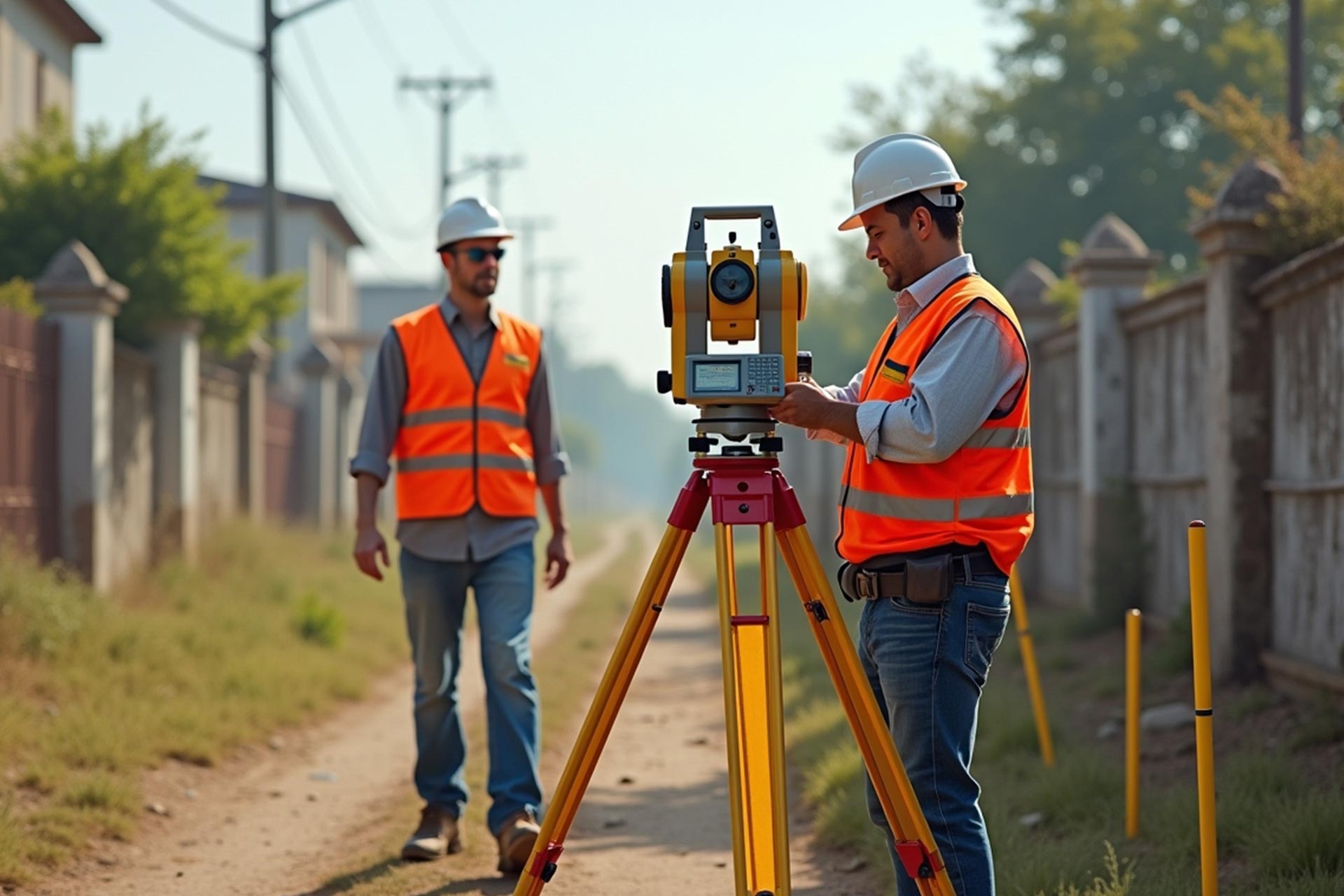
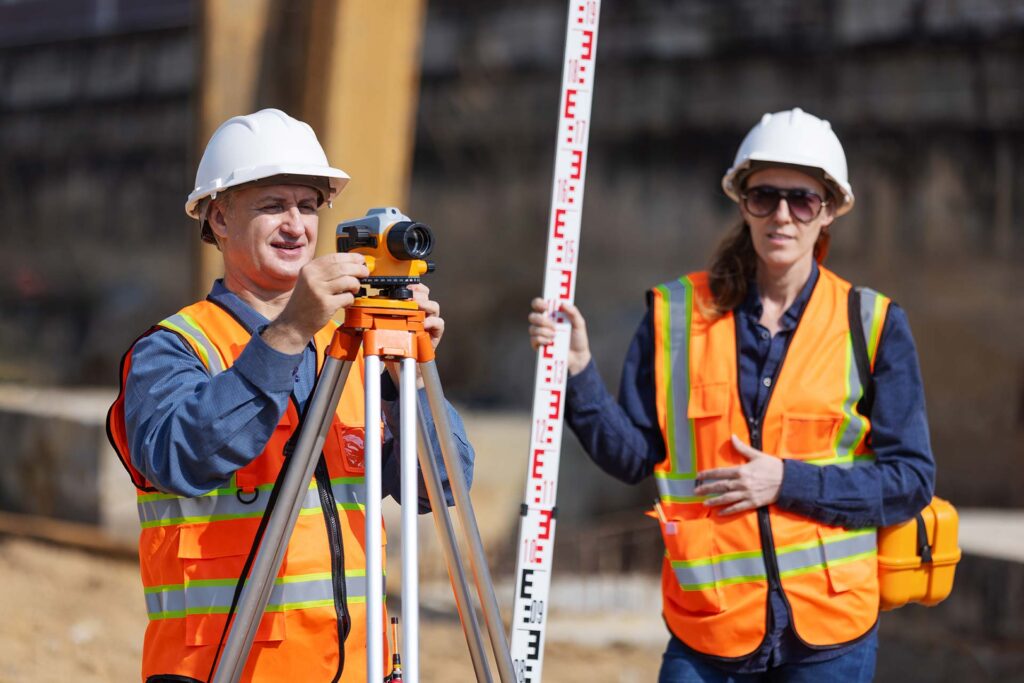
While ownership records confirm legal ownership, a land surveyor confirms the physical characteristics of the property.
Professional land surveyors assist with:
- Boundary verification
- Beacon relocation
- Cadastral surveys
- Subdivisions
- Consolidations
- Property development applications
A surveyor ensures that the property’s legal description aligns with the actual land on the ground.
This becomes particularly important when:
- Boundary disputes arise
- Land is being developed
- Property is being subdivided
- Existing beacons cannot be found
- Ownership records need further verification
Learn more about professional land surveying services here:
https://www.thelandsurveyor.co.za/
Common Reasons for Checking Property Ownership
Buying a Property
Before purchasing any property, buyers should verify ownership to ensure the seller has the legal authority to transfer ownership.
Property Development
Developers often verify ownership before submitting development, subdivision, or rezoning applications.
Resolving Boundary Disputes
Property ownership and boundary information are often required to resolve neighbour disputes.
Estate Administration
Executors frequently need to confirm ownership when administering deceased estates and transferring assets to beneficiaries.
Investment Research
Investors commonly perform ownership searches as part of their property due diligence process.
Common Challenges During Ownership Searches
Although ownership records are generally straightforward, some challenges may arise:
- Incorrect property descriptions
- Historical ownership disputes
- Missing title deed information
- Subdivision complications
- Unregistered property changes
When complications arise, it is advisable to consult professionals who understand both property law and cadastral information.
You may also find this article helpful:
Property Transfer in South Africa
This guide explains the legal process involved in transferring ownership and registering property rights.
Benefits of Professional Assistance
Working with qualified professionals can help:
- Verify ownership accurately
- Identify legal restrictions
- Confirm boundary positions
- Prevent future disputes
- Support development applications
- Ensure compliance with South African property laws
Professional guidance often saves time and reduces the risk of costly errors.
Conclusion

Knowing how to check who owns a house in South Africa is essential for buyers, investors, developers, and property owners. The most reliable method is conducting a Deeds Office search, which provides official ownership records and property registration details.
For complete property verification, ownership information should often be combined with professional surveying services to ensure both legal and physical property details are accurate.
Whether you are buying property, conducting due diligence, planning a development, or resolving a boundary dispute, professional assistance can provide peace of mind and help protect your investment.
Need help verifying property ownership, locating property boundaries, or conducting a cadastral survey?
The Land Surveyor provides expert property surveying services across South Africa to help property owners, buyers, and developers make informed decisions.